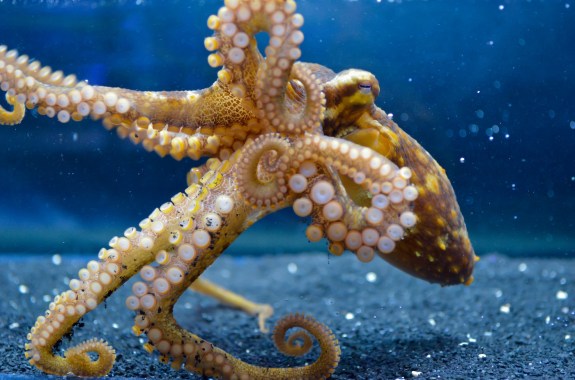
Octopuses Use Suckers To ‘Taste’ Harmful Microbes
Researchers found that octopuses can use their arms to detect harmful microbes on the surface of objects like crab shells or their own eggs.
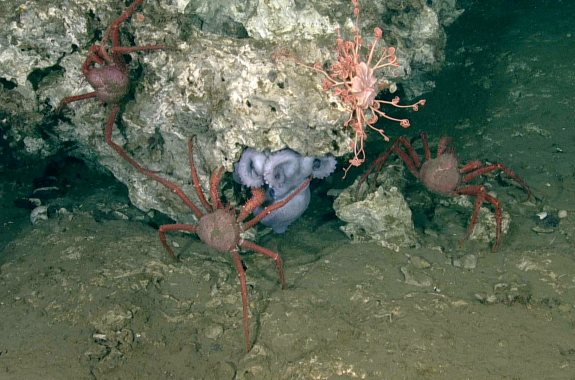
An Ice-Cold Octopus Nursery Could Help Expand Marine Protections
Indigenous and Western scientists are working together to uncover biodiversity in the icy deep. They’re getting some eight-armed help.
Hide Like A Cephalopod: Make An Octopus Den
Put your engineering skills to the test as you design a strong, but camouflaged, underwater home for an octopus.
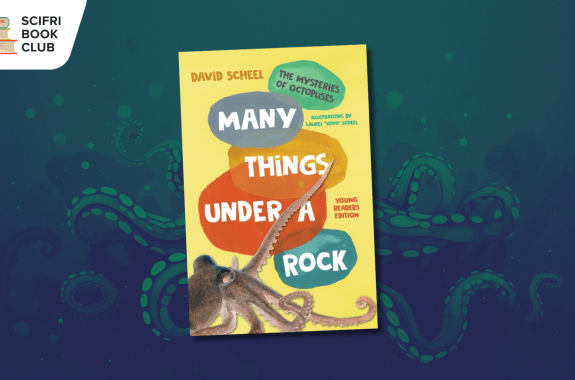
Discover The Mysteries Of Octopuses
Dive into marine biology with this “Many Things Under A Rock” interactive book club guide for young readers.

12:10
A Colossal Squid Video? That’s A Big Deal
Researchers captured the first confirmed video of a colossal squid swimming in its natural habitat—almost 2,000 feet deep.
11:05
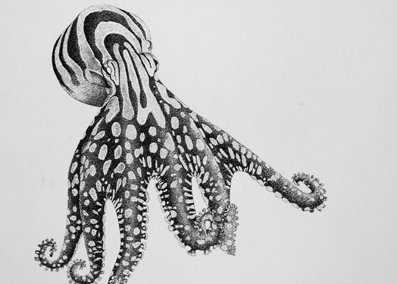
Why It Took Decades For This Octopus To Be Recognized
The larger Pacific striped octopus is unusually social. But it wasn’t recognized by scientists until 2015, despite one man’s efforts.

6:16
Squid With ‘Giant’ Eggs Could Be A New Species
A deep-sea squid in the family Gonatidae was filmed cradling large eggs for its body size, which suggests it’s an entirely new species.
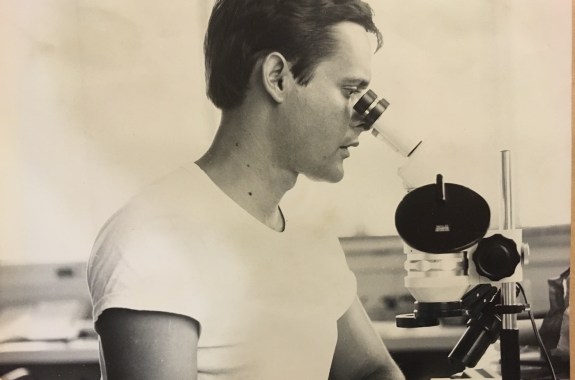
He Found A Bizarre Octopus, But No One Believed Him
In 1990, diver Arcadio Rodaniche’s findings about a highly social octopus were dismissed. Decades later, his work was validated.

What Cephalopod Are You? Take The Quiz!
Are you an old soul? A giant genius? Answer these 8 questions to find out which cephalopod is most like you.

16:59
Why Do Cephalopods Make Ink?
Squid, octopuses, and cuttlefish use ink to confuse predators and to communicate. But there’s still a lot we don’t understand about inking.